



Justin Adams Crocker, MD
- Assistant Professor of Medicine
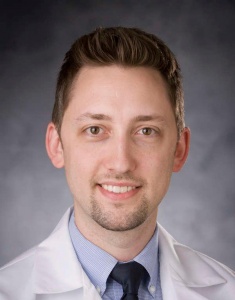
https://medicine.duke.edu/faculty/justin-adams-crocker-md
Chapter 7 / Infectious Diseases 437 What are the most common causes of intraperitoneal abscess that are Subphrenic Secondary to complications of acute appendicitis natural cures for women's health issues order lady era in united states online, colonic diverticulitis women's health issues canada purchase lady era on line, colonic perforation breast cancer awareness jewelry 100 mg lady era for sale, or Crohn disease Pelvic Secondary to acute salpingitis menopause at 70 purchase lady era mastercard, acute appendicitis zapata women's health center 100mg lady era fast delivery, or diverticulitis What are the symptoms and Fever women's health center fort smith ar purchase lady era paypal, localized pain, anorexia, weight signs of intraperitoneal loss, nausea, vomiting, change in bowel abscess What are the most common Anaerobes play a major role, especially microbes associated with B. What is the treatment of Drainage of pus either surgically or intraperitoneal abscess Initial antimicrobial therapy should include 1 of the regimens discussed for secondary peritonitis and should be tailored after culture and sensitivity data are available. What are the complications Atelectasis, pleural effusion, and basilar of subphrenic abscesses Amebic (most common in the world) Are most liver abscesses Single single or multiple Biliary tract disease (ascending for pyogenic liver cholangitis most commonly) abscesses Appendicitis, diverticulitis, or inam matory bowel disease causing spread via the portal vein 4. Infection outside the biliary tract with contiguous spread What are the symptoms and Fever, chills, nausea, vomiting, fatigue, signs of pyogenic liver anorexia, and weight loss. How is the diagnosis of Clinical presentation and conrmation via pyogenic liver abscess made Chapter 7 / Infectious Diseases 439 What is the usual treatment Pathogen-specic antimicrobial therapy for pyogenic liver abscess What is the mortality rate In treated cases, the mortality rate is associated with pyogenic approximately 30%. Amebic Liver Abscesses What is the typical history Travel, acute presentation, age younger for amebic abscess What are the symptoms and Right upper quadrant pain, fever, chills, signs of amebic liver and night sweats abscess What is the treatment for Amebicides (such as metronidazole plus amebic liver abscess Extension from a contiguous site What are the symptoms and Subacute onset with fever, left-sided pain signs of splenic abscess What are the microbiologic Staphylococci, streptococci, anaerobes, ndings in splenic abscess Chest radiographs may reveal pleural effusion (most often left-sided), atelectasis, or pneumonia. What are the laboratory Elevated serum amylase, elevated ndings in pancreatic alkaline phosphatase, and leukocytosis abscess Chapter 7 / Infectious Diseases 441 What are the microbiologic Enteric gram-negative bacilli, study ndings in pancreatic staphylococci, streptococci, and abscess What are the risk factors for Oral contraceptive use, recent antibiotic vulvovaginal candidiasis Candida commonly associated with tropicalis and Candida glabrata also vulvovaginal candidiasis What are other symptoms External dysuria; dyspareunia; premen and signs of vulvovaginal strual onset; vulvar erythema; and cheesy, candidiasis What is the treatment for Topical antifungal agents such as micona vulvovaginal candidiasis How is the diagnosis of Motile trophozoites, often accompanied trichomoniasis made What is the treatment for Metronidazole or tinidazole, 2 g by mouth trichomoniasis Squamous epithelial cells with ragged borders and stippling caused by coloniza tion with bacteria How is the diagnosis of At least 3 of the following are required: bacterial vaginosis made Positive whiff test What is the treatment for Metronidazole, 500 mg by mouth twice bacterial vaginosis What are the symptoms of Most women are asymptomatic; approxi mucopurulent cervicitis What are the signs of Friability and erythema of the cervix, with mucopurulent cervicitis Effective regimens include ceftriaxone, ciprooxacin, or cexime single-dose therapy for N. Cefoxitin or cefotetan should be continued for at least 48 hours after signicant clinical improvement is noted. There are other regimens as well, but azithromycin or doxycycline is administered in all cases to cover Chlamydia. What other pathogens should Chlamydia be treated empirically in patients with gonorrhea What is the natural history Grouped vesicles on an erythematous of herpes infection What are the additional A prodrome of itching or burning may symptoms of herpes precede the appearance of lesions; infection Chapter 7 / Infectious Diseases 447 How is the diagnosis of Diagnosis is usually made on clinical herpes infection made Tzanck smear may demonstrate multinucleated giant cells; culture remains the gold standard. What is the treatment for Oral acyclovir is most useful in the initial herpes infection It may lessen the duration of recurrent disease if taken very early in the course of relapse. What is the role of Frequent recurrences may be controlled suppressive therapy in with daily suppressive therapy, but this herpes infection Hypertrophic broad, at lesions of secondary syphilis, occurring primarily in moist areas, especially around the anus and external genitalia What are the major manifes Lymphocytic meningitis, dementia, tabes tations of tertiary syphilis What are the advantages of the nontreponemal tests are inexpensive the nontreponemal tests for and useful for following titers during syphilis What are the advantages of the treponemal tests are more specic the treponemal tests for and more sensitive in primary and syphilis What are the disadvantages the nontreponemal tests lack specicity, of the nontreponemal tests and a positive test needs a conrmatory for syphilis What are the disadvantages the treponemal tests are expensive and of the treponemal tests for not useful for serial follow-up. In these nontreponemal tests least settings, a treponemal test should be sensitive How do serologic tests After adequate therapy, a 4-fold drop in change with treatment Treponemal tests are not quantitative and often remain positive after adequate treatment. What should be done about For the rst 90 days after exposure, the contacts to syphilis What is the natural history Self-limited and usually easily treated of the Jarisch-Herxheimer with antipyretics reaction Fewer numbers of bacteria are generally thought to represent contami nation from the anterior urethra. Supercial, spreading, warm, erythema tous inammation of the skin What is erysipelas An indurated, warm, erythematous, and edematous spreading lesion with an advancing elevated margin that is sharply demarcated What are the etiologic Usually, group A -hemolytic agents of erysipelas Initially a vesicular, then a crusted, super cial infection of the skin, usually caused by group A streptococci or S. What is the presumptive Because it is difficult to distinguish clini therapy for cellulitis Penicillinase-resistant penicillins or rst generation cephalosporins are antibiotics of choice. Erythromycin, clindamycin, and vancomycin are alternatives for mild and severe infections, respectively, in penicillin-allergic patients. What is the therapy for Surgical debridement and antibiotics, necrotizing fasciitis Most authorities will add clindamycin to other regimens in order to inhibit toxin production. A necrotizing, gas-forming infection of the muscle What are the principal agents C. What are the predisposing Traumatic injuries, diabetes, vascular factors to gas gangrene What are the modes Contiguous spread, hematogenous for development of spread, and direct inoculation osteomyelitis What are the features of Bone seeding from bacteremia is seen hematogenous osteomyelitis Are cultures of sinus tracts these cultures reect colonization of the useful in osteomyelitis Chapter 7 / Infectious Diseases 453 What radiographic changes Plain lms show soft-tissue swelling, are associated with periosteal thickening, and focal osteopenia osteomyelitis Associated undrained abscess (subpe lack of response to therapy riosteal, intramedullary, or in osteomyelitis Undiagnosed or untreated pathogens What are the complications Squamous cell carcinoma of draining of chronic osteomyelitis Neurologic symptoms, including peripheral neuropathy and early dementia, may occur. Initially, patients may complain of fatigue, headache, nausea, restlessness, and insomnia. Asymptomatic hyperbilirubinemia (10% of cases), nephrolithiasis (4%), abdominal pain, nausea, vomiting, diarrhea, and headache Ritonavir (Norvir) There is also a risk of vertical transmission to infants during pregnancy and delivery. Drugs to be avoided include nonnucleo side reverse transcriptase inhibitors (efavirenz) and possibly D4T (stavudine). What is the incidence of Occurs in 5% of patients admitted to nosocomial infection A clinically important blood culture obtained longer than 48 hours after hos pital admission that is positive for bacte ria or fungus. It may be primary (without a dened source, related to an indwelling catheter) or secondary (caused by infection elsewhere). Proteus, and Klebsiella What are the risk factors for Dirty or contaminated procedures, surgical wound infection What is the treatment for Because skin pathogens are most common, surgical wound infection Cover gram-negative anaerobes if there is a deep wound infection or if the patient is at risk. What are the risk factors for Patients at the extremes of life or with nosocomial diarrhea Impaired immunity, altered intestinal motility, altered enteric ora (such as after antibi otic therapy), admission to the intensive care unit, and other factors that alter host defenses or increase the risk of colonization also play a role. What laboratory and Stool culture and examination for fecal diagnostic tests are done in leukocytes and C. How is the diagnosis of History, physical examination, and stool nosocomial diarrhea made What are the major causes Helminths including lariasis, schistoso of eosinophilia in travelers Use chemoprophylaxis with chloroquine, meoquine, doxycycline, or atovaquone-proguanil. Dysuria, ank pain, uremic symptoms (nausea, metallic taste, fatigue, clouded sensorium, myoclonic twitching, pruritus) Signs Malignancy (kidney, bladder, prostate), infection (especially cystitis, prostatitis), stones, trauma Intrarenal hematuria What other history should History of kidney stones, recent infection, be obtained from a patient malignancy, other systemic disease. What symptoms may be Foamy urine, edema, nocturia, weight associated with proteinuria Renal tubular cells loaded with cholesterol esters that form Maltese crosses when viewed with polarized light. What is the signicance of Signify heavy proteinuria and glomerular oval fat bodies
Lactoferrin. Lady era.
- How does Lactoferrin work?
- Helicobacter pylori infection (an ulcer-causing bacterial infection), stimulating the immune system, preventing damage related to aging, promoting healthy bacteria in the intestine, regulating iron metabolism, fighting bacteria and viruses (antibacterial and antiviral agent), use as an antioxidant, and other conditions.
- What is Lactoferrin?
- Are there safety concerns?
- Dosing considerations for Lactoferrin.
- What other names is Lactoferrin known by?
- Hepatitis C.
Source: http://www.rxlist.com/script/main/art.asp?articlekey=96097
Another study found an 18% reduction in fatal crashes with a nighttime driving restriction starting at 9 p women's health blood in the urine cheap lady era american express. It typically takes around 6 months to implement the changes and notify the public women's health fair oaks cheap 100 mg lady era otc. Depending on the State pregnancy 4 weeks symptoms order 100 mg lady era amex, intermediate licensed drivers are allowed to have 0 to 3 passengers who are under a certain age (18 to 21 years old) women's health social justice issues discount lady era 100mg online, and the restrictions last between 6 months to 2 years menstruation terms order lady era overnight delivery. Immediate family members of the teen driver are exempt from the passenger restriction women's health center in waco order lady era with mastercard. The passenger restriction is lifted and an operator license is granted when a teen is at least 17 years old, has held a Level 2 License for at least 6 months, is suspension and violation free, and has no at fault crashes for 12 consecutive months. Foss (2009) found a 32% decrease in 16 year old crashes involving multiple passengers after North Carolina enacted a passenger restriction on drivers with an intermediate license. In Michigan, no studies have been conducted on the passenger restrictions that came into effect in March 2011. Cost the costs to implement or revise passenger restrictions for intermediate licensed drivers are low. Michigan currently has a primary seat belt law, which allows a law enforcement officer to ticket a driver not wearing a seat belt without any other traffic offense taking place. Child restraint is mandatory for children younger than 8 years old (or <57in height), and children 8 to 15 years old are required to wear a seat belt. Anyone 16 years or older is not required to wear a seat belt in the back seat of a vehicle. Effectiveness Boyle and Lampkin (2008) found that, nationally, teenage and young adult drivers, ages 16-24 years, are less likely to use seat belts (81%), compared to adult drivers, ages 25-69 (88%). Seat belts reduce the risk of fatal injury for light truck passengers by 60% and serious to incapacitating injury by 65%. The National Highway Traffic Safety Administration has funded Click it or Ticketadvertisement campaigns along with enforcement zones to increase awareness and seat belt use in many States. Unfortunately, no efforts or data regarding the effectiveness of any efforts that address seat belt use and young drivers specifically were found. Implementation Issues Seat belt enforcement ad campaigns and coordination of enforcement zones with local officials can be time consuming. However, when well executed, the combination of campaigns and enforcement zones can significantly increase seat belt use. Since Michigan began participating in Click it or Ticketseat belt use has increased by over 14%. Drivers and passengers benefit from advertising campaigns which enforce existing seat belt laws. Without such reminders,some percentage of vehicle occupants are likely to driftaway from seat belt usage on a regular basis, putting themselves at increased risk during crashes. Text messaging is currently prohibited in 34 states and an additional seven states prohibit novice drivers from text messaging while driving. A significant decrease in injury crashes was observed for 46 counties and fatal crashes decreased in 10 counties out of the 62 counties examined. However, the study did not include a control group to account for any other confounding factors that may have decreased the number of crashes. The Highway Loss Data Institute investigated State-level automobile insurance collision claims in California, Connecticut, New York, and the District of Columbia. Cost the only costs associated with cell phone laws are for enforcement and publicity. Ad campaigns in coordination with law enforcement can be highly effective in curbing 72 text messaging and hand held cell phone use among drivers (Cosgrove, Chaudhary, & Roberts, 2010). The primary focus of these programs is to motivate teenagers not to drink, not to drink and drive, and not to ride in a vehicle with a driver who has been drinking. Many programs provide positive role models and encourage youth activities that do not lead to or involve alcohol use. Some Federal funding is available for drinking and driving programs that focus on youth education, enforcement, and program activities. Most students are required to take a health education course; however, the drinking and driving issue may or may not be part of the curriculum. Driver education is offered at some public schools and at commercial driving schools, but the coverage of drinking and driving can significantly vary depending on the program. Effectiveness Stewart (1999) found preventative school education programs have only a weak and inconsistent effect on teenager alcohol use. Insufficient evidence is available to determine the effectiveness of school education programs for reducing drinking and driving among teenagers (Elder, Nichols, Shults, Sleet, Barrios, & Compton, 2005). Many schools include education on alcohol and impaired driving in health and driver education courses. Implementation Issues At least a year is required to plan, acquire material, train teachers, and schedule a school education program. Graduated driver licensing programs and fatal crashes of 16-year-old drivers: a national evaluation. Effectiveness of school-based programs for reducing drinking and driving and riding with drinking drivers. The effects of the Checkpoints program on parent-imposed driving limits and crash outcomes among Connecticut 80 novice teen drivers at 6-months post-licensure. Few behavioral countermeasures have been shown to reduce distracted driving based on the fact that distracted driving results mainly from lifestyle choices and patterns. Distracted driving occurs when a driver focuses their attention on some other activity and away from driving. A distracted driver is distinguished from other inattentive drivers by the presence of a triggering event. Most distracting thoughts and actions are brief and may occur almost continuously while driving. Driver distraction was involved in an estimated 10% of all fatalities in 2005 and increased to 16% in 2009. Distraction may play an even higher role in crashes because many pre-crash distractions often leave no evidence, and after a crash drivers are reluctant to admit to being distracted. Figure 9 depicts the number of crash fatalities due to driver distraction from 2005 to 2009. Immediately following a crash, information was collected on the driver, vehicle, environment, and roadway related factors. Drivers age 16 to 25 years were distracted most (about 22 percent) by one or more internal sources compared to more experienced drivers. The survey found the most significant internal distractions for drivers included conversing with a passenger, operating the radio, focusing on objects within the vehicle, observing the actions or movements of passengers, and conducting a phone conversation. Klauer, Dingus, Neale, Sudweeks, and Ramsey (2006) conducted a study on distracted driving that monitored 100 drivers for a year using specialized instrumentation. The study found that secondary task distractions such as eating or dialing a cell phone contributed to 22 percent of the crashes and near crashes which occurred while the study was in progress. Many states and organizations have implemented countermeasures in an attempt to reduce the number of distracted driving crashes. In Michigan, driving while seriously distracted is covered by the reckless and careless driving laws. However, Michigan does not currently have a law specifically covering general distracted driving, nor a way to document or track distracted driving crashes. Estimates of each distracted driving countermeasure for effectiveness, cost, and implementation issues. Thirty states ban all cell phone use by novice drivers, and nine states prohibit all drivers from using hand held cell phones while operating a motor vehicle. There are no laws that currently ban all drivers from all hand held cell phone use. However, novice drivers whose cell phone usage has contributed to a ticket or traffic crash are prohibited from all cell phone use while driving. Figure 10 depicts the number of reported crashes involving a driver using a cell phone in Michigan; however, no distinction is made between whether drivers were talking or texting at the time of the crash. Nikolaev, Robbins, and Jacobson (2010) examined driving fatalities and injuries in New York State before and after a law prohibiting hand held cell phone use took effect. Paid advertising is expensive; however, grants or partnerships with other organizations can offset the costs. Implementation Issues Hand held cell phone use and text messaging laws can be implemented quickly by publicizing the bans. Ad campaigns in coordination with law enforcement can be highly effective in curbing text messaging and hand held cell phone use among drivers (Cosgrove, Chaudhary, & Roberts, 2010). Drivers can be cited and prosecuted if they cause a crash due to distracted driving with the existing laws. However, it is unknown to what extent states currently pursue cases of distracted driving. The law stipulates a driver who commits an infraction or who is involved in a crash may be cited for distracted driving if a police officer believes that driver distraction was the underlying cause. Distraction is defined as engaging in an activity not vital to the operation of the vehicle and that could or does impair the ability to drive safely. Effectiveness No studies have been conducted to determine the effectiveness of distracted driving laws. In Michigan, driver distraction can only be reported by the investigating officer of a crash if the driver admits to the condition (2009 Michigan Traffic Crash Facts, 2010). This may lead to possible under reporting of driver distraction as a condition contributing to a crash. Cost the costs for driver distraction laws are limited to enforcement and publicity campaigns. The cost for publicity campaigns can be high, but the cost can be offset by partnerships with other organizations or grants. Implementation Issues the time to implement a distracted driving law can vary, depending on the behavior the law is targeting. In general, laws that have public support are more likely to be implemented quickly compared to laws that lack public support. Another issue with implementing a distracted driving law is agreeing on the definition of driving distraction. Finally, the time to implement a distracted driving law is also limited by how quickly it is publicized and training law enforcement officers. However, there are many forms of distractions both inside and outside of a vehicle. It can be difficult to control many distractions within a vehicle such as children and conversations. Some distractions within a vehicle such as listening to the radio and eating are intentional and may be useful in keeping drivers alert on long trips. The campaigns vary between a general pay attention message and targeting specific behaviors including cell phone use. Department of Transportation has launched a national campaign called Put It Down, which suggests an expectation that drivers should not be holding anything in their hands other than the steering wheel. Cost It is expensive to develop, test, and implement a high quality distracted driving campaign. Implementation Issues the main obstacle to developing a distracted driving campaign is the amount of time it can take. The remaining 35 percent of employers do not have a formal distracted driving policy. Out of the organizations that responded to the survey, 99 percent of the businesses banning employees from all cell phone use while driving reported no decrease in productivity. In 2009, President Obama issued an executive order banning Federal employees and Federal contractors from text messaging while driving (Obama, 2009). The prohibition on texting while driving applies to Federal employees and Federal contractors who are conducting official business or using government supplied equipment. However, agencies engaged in national security responsibilities, law enforcement, or during emergency conditions are exempt from the executive order. Cost the costs associated with implementing a distracted driving employer program are covered by the individual organization. Implementation Issues the time required to implement a distracted driver employer program varies with each organization. High Visibility Enforcement demonstration Programs in Connecticut and New York Reduce Hand-Held Phone Use. In Proceedings of the 17 International Conference on Alcohol, Drugs and Traffic Safety, Glasgow, Scotland. Countermeasures That Work: A Highway Safety Countermeasure Guide For State Highway Safety Offices Sixth Edition, 2011. Evaluating the impact of legislation prohibiting hand-held cell phone use while driving. Twenty-two percent of those respondents reported that they had done so within the past year. Thus, nearly one in ten respondents reported that they had fallen asleep or nodded off in the past year. These results are consistent with other surveys that demonstrate that drowsy driving is a significant problem. In a 2008 poll, 38% of the respondents reported that they had fallen asleep while driving at some point in their life.
Describe the role of platelets in the hemostatic process and the relationship between platelet structure and function menopause jokes order discount lady era. Describe the processes of platelet adhesion women's health lynchburg va buy lady era pills in toronto, activation womens health news 100 mg lady era amex, aggregation women's health foxboro order generic lady era, and secretion women's health big book of yoga ebook order lady era mastercard. Describe the interaction between platelets and elements of the coagulation cascade women's health center of langhorne lady era 100 mg free shipping. Describe the regulation of the clotting system, including the roles of antithrombin/heparin, tissue factor pathway inhibitor, protein C and protein S, and the role of the endothelial cell. List the enzymes involved in fibrinolysis; describe how fibrinolysis is regulated, and how the activation of plasminogen is localized to the fibrin clot. A rapid and vigorous response to plug the hole and maintain intravascular volume the human circulatory system, particularly on the arterial side, maintains relatively high pressures. When vascular integrity is breached due to injury, rapid vasoconstriction and formation of the platelet plug (primary hemostasis) minimize blood loss. An explosive, localized increase in thrombin generation to trigger fibrin clot formation Circulating coagulation factors generate thrombin via a proteolytic cascade. It is a potent platelet activator and it converts 207 soluble fibrinogen to insoluble fibrin clot. The activated platelet surface is an important site for assembly and localization of the membrane-bound enzyme complexes of coagulation. A highly regulated response to prevent uncontrolled thrombosis In the absence of injury, blood flow must be maintained to ensure proper delivery of oxygen and nutrients. Normal endothelium prevents exposure of the blood to extravascular tissue factor and provides an antithrombotic surface to maintain flow in uninvolved vessels. Circulating coagulation inhibitors localize the hemostatic response to the site of injury and help to prevent spontaneous thrombotic events (myocardial infarction, stroke, venous thromboembolism). Disruption of the endothelial barrier, loss of inhibitor function, and improper localization of the hemostatic response all may contribute to pathologic thrombosis. A response that transitions to clot remodeling (fibrinolysis) and wound repair the original thrombus incorporates plasminogen, which when converted to plasmin promotes lysis of the fibrin clot. The fibrin clot provides a matrix for inflammatory cell and fibroblast migration that is fundamental to wound repair. Components Effective hemostasis requires a balance between opposing prothrombotic and antithrombotic components of the injury response. Prothrombotic components Platelets/von Willebrand factor responsible for formation of the primary hemostatic plug. Antithrombotic components Endothelium cells lining the blood vessels that possess anticoagulant, anti platelet, and profibrinolytic properties, and act as a barrier to prevent exposure of the blood to tissue factor. Primary Hemostasis: the Platelet-Vasculature Response Platelets are responsible for primary hemostasis, the initial formation of platelet aggregates that plug the hole at the site of vascular injury. The physiology of platelet plug formation can be broken down into components of adhesion, activation, aggregation, and secretion. Platelets are adhesive, contractile entities that are activated by interaction with the subendothelial matrix and/or soluble agonists. Adherent platelets demonstrate filopodia (finger-like projections) formation and spreading across a collagen-coated surface (From: Patel, D et al, Blood 2003;101:929-36). Normally, megakaryocytes will reach a state of 8N, 16N, or 32N ploidy before their cytoplasm is mature. Demarcation membrane channels then develop and divide the megakaryocyte cytoplasm into 1,000-3,000 platelets. Released platelets survive for ~7-10 days in the circulation, after which platelets that have not been consumed during clotting are removed by the spleen. About 30% of circulating platelets are normally sequestered in the spleen and can be released in response to epinephrine. The spleen stores platelets in proportion to its size, which results in low circulating platelet counts without megakaryocyte hyperplasia in patients with splenomegaly. Thus, large circulating platelets on the blood smear in a patient with thrombocytopenia suggest peripheral destruction/consumption of platelets. When bound to a surface that is exposed to flowing blood it unfolds, exposing its Gp Ib binding sites. These ultra-large molecules are very sticky: they have a tendency to unfold spontaneously and attach to platelets when exposed to high shear stress, or after interaction with the endothelial surface. Variations in this protease activity may influence the risk of thrombosis in the general population, although this has yet to be proven. Strong platelet agonists include collagen in the extracellular matrix and thrombin generated by tissue factor exposure at the site of injury. Platelet activation is a complex process in which agonists stimulate platelet shape change and spreading (see Figure 11. This process is also linked to subsequent platelet degranulation and clot retraction. Platelet aggregation (platelet-platelet interaction) Rapid formation of platelet aggregates at the site of injury helps to plug the hole and minimize blood loss. This conformational change allows the receptor to bind 213 fibrinogen, which glues the platelets together. Circulating non-activated platelets cannot bind to fibrinogen, so that platelet aggregation is limited to sites of injury. Include the initial interaction of platelets with non-endothelial surfaces (adhesion), agonist stimulation via specific receptors (activation), platelet-platelet interaction (aggregation), release of granule contents (secretion), and formation of coagulation enzyme complexes on the platelet surface (procoagulant effect). Platelet secretion (Degranulation) Activation of platelets by strong agonists results in secretion of both granule and dense granule contents that locally enhance coagulation, platelet adhesion and activation, vasoconstriction, and wound repair. Growth factor and chemokine release by the platelet help to recruit inflammatory cells and initiate wound healing. Platelet procoagulant activity Activated platelets provide a procoagulant surface that markedly accelerates local thrombin generation. Vasoconstriction: Slows the leak and brings all of the necessary elements needed to plug the hole into the vicinity. An insoluble fibrin mesh is deposited around the platelet plug in about 5 minutes. Platelets become activated, causing them to expose receptors for coagulation proteins and release substances that recruit more platelets to the site of injury. Fibrinogen binds to a receptor on the platelet surface and sticks platelets together. The fibrin clot is deposited over and around the platelet plug, securing it firmly in place (much like the wire cage around the cork in a champagne bottle). Historically, this cascade has been view as two separate arms, the extrinsic and intrinsic pathways, which correlate with widely used screening tests for coagulation 11. The extrinsic pathway is a term given to the clotting of plasma in response to addition of tissue homogenates. While extrinsic and intrinsic pathways are useful concepts for laboratory testing, they do not describe the in vivo coagulation response. Once this occurs, the propagation phase produces an exponential burst of thrombin that is responsible for fibrin clot formation. Structure-function aspects of the membrane bound coagulation enzyme complexes the coagulation factors can be grouped by function and structure into either proteases or cofactors. These proteins possess a carboxylation (Gla) domain that mediates calcium-dependent binding to the membrane surface 11. These proteins are synthesized as proteolytically inactive zymogens by the liver, and undergo vitamin K-dependent post-translational carboxylation of specific glutamic acid residues in the Gla domain. Calcium binding generates the proper conformation for subsequent membrane binding of the protease. Membrane binding is a critical step that brings a protease, a cofactor (helper protein), and a zymogen into close proximity 11. Inhibition of vitamin K-dependent carboxylation is the mechanism of action of the anticoagulant drug warfarin (see Chapter 11, part 2). Zymogens are converted to active coagulation proteases by limited proteolytic cleavage. A substance extrinsic to blood that contains tissue factor (tissue homogenates or thromboplastin) triggers blood coagulation by the extrinsic pathway. Factors intrinsic to blood placed in a glass tube trigger coagulation by contact activation in the intrinsic pathway. The extrinsic pathway correlates with the initiation phase, and some of the components of the intrinsic pathway contribute to the propagation phase. In basic terms, cofactors help bring a protease together with its substrate, thereby enhancing its proteolytic activity. Protein S is a vitamin K-dependent protein (possesses a Gla domain) that serves as a cofactor for the anticoagulant activated protein C 11. Protein S and tissue factor do not require proteolytic activation for cofactor activity. Factor Va is a stable cofactor that binds factor Xa to form a complex that activates prothrombin. Formation of membrane-bound complexes is critical to localization of procoagulant and anticoagulant activities. The component parts include: a serine protease (enzyme), a protein cofactor, calcium, an activated membrane surface, and a protein substrate 11. No physiologically meaningful coagulation occurs in the absence of these fully formed enzyme complexes. The binding of both protease and zymogen to the membrane requires vitamin-K-dependent carboxylation of their respective Gla domains, for high affinity calcium binding and proper conformation. Unbound proteases have dramatically lower catalytic activity, thereby localizing coagulation reactions to the membrane surface. Initiation phase: Tissue factor exposure leads to generation of small amounts of thrombin. This cofactor activation is critical for formation of the membrane-bound enzyme complexes required for the propagation phase. Fibrin Clot Formation Fibrinogen is an abundant plasma protein (300 mg/dl) that circulates in a soluble form until cleaved by thrombin to form insoluble fibrin clot. Fibrinogen contains two copies each of three polypeptide chains, designated A, B, and. Fibrinopeptides (FpA and FpB) are cleaved by thrombin from the N-terminal regions of the Aand Bchains to form fibrin monomer, which polymerizes into an insoluble thrombus 11. Thrombin cleavage of fibrinopeptide A and B (FpA, FpB) triggers spontaneous fibrin polymerization via noncovalent interactions, resulting in formation of the fibrin clot. Crosslinking of the protofibrils enhances the mechanical strength and protease-resistance of the fibrin clot. Central role of thrombin Thrombin is a multifunctional serine protease that plays a central role in the response to vascular injury 11. In addition to activation of platelets, thrombin also can activate related surface receptors on additional cell types including endothelium, monocytes, smooth muscle cells, and fibroblasts. These activities modulate the migration of inflammatory cells, wound healing, and a variety of pathologic processes including intimal proliferation, atheroma formation, and tissue remodeling/fibrosis. Injury exposes the subendothelium of the blood vessel and tissue factor is exposed to the blood. You are now ready to consider how clot formation is quickly shut down after the hole in the vessel is plugged. The cascade is simplified here to represent the major membrane-bound enzyme complexes of coagulation. Thus, the amount of factor Xa available for thrombin generation in the initiation phase is self-limited. This limited amount of thrombin results in poorly formed clots and susceptibility to delayed bleeding. Protein C (zymogen) is activated by thrombin bound to the endothelial surface protein thrombomodulin. The activated protein C pathway does not affect the initiation phase of coagulation, but does regulate and terminate thrombin generation during the propagation phase. Regulation of coagulation: the gun analogy the coagulation response can be likened to a gun aimed at the site of vascular injury. However, once the threshold is exceeded and cofactor activation has occurred, the propagation phase is activated and the gun is fired. The propagation phase results in an exponential increase in thrombin generation at the site of injury, and formation of the fibrin clot. Although the relative contribution of platelet and coagulant responses varies between the arterial and venous circulation, they are never completely independent. In general, the platelet response predominates on the arterial side, and the coagulant response is more critical on the venous side. Antithrombotic Properties the endothelium provides a non-thrombogenic surface that regulates platelet and coagulation responses 11. When undisturbed, the endothelial surface possesses anti-platelet, anticoagulant, and pro-fibrinolytic properties. It also provides an important barrier function, sequestering active tissue factor from the circulating blood and regulating the egress of inflammatory cells and fluids. Prostacyclin produced via the arachidonic acid pathway opposes the activity of platelet thromboxane A2 at the endothelial surface. Anticoagulant properties of the endothelium include acting as a barrier to tissue factor exposure, heparan sulfate expression on 226 the cell surface and in the subendothelial matrix, and cell surface expression of thrombomodulin. Sequestration of tissue factor by the endothelial barrier prevents triggering of coagulation under normal conditions. Likewise, expression of thrombomodulin markedly enhances the generation of activated protein C at low thrombin concentrations.
Diseases
- Myoclonus hereditary progressive distal muscular atrophy
- Leiomyomatosis of oesophagus cataract hematuria
- Palmoplantar porokeratosis of Mantoux
- Keratoderma hypotrichosis leukonychia
- Factor VIII deficiency
- Optic nerve hypoplasia, familial bilateral
- Mycosis fungoides lymphoma
- Arginemia
- Chromosome 4 short arm deletion
- Hepatitis C
The remaining 11 schools sleep breast cancer yard signs order lady era american express, the results are consistent with prior research linking later were found in school districts located in the states of Virginia women's health center tallahassee cheap 100mg lady era fast delivery, New 11 women's health heart day discount 100mg lady era overnight delivery,35 school start times to more sleep menstruation excessive bleeding purchase lady era on line. The connection between later York women's health exercises at home lady era 100 mg fast delivery, North Carolina xanthelasma menopause order lady era on line amex, Oregon, Arkansas, and Minnesota. Again, these connections are beyond the scope of this study, but cer tainly, this is a promising opportunity for further research. Implications for future research and practical application the current study provides statistical evidence that both gradua tion rates and attendance rates signicantly improved after the im plementation of a delayed school start time. Basic sleep needs are met so students attend school all stakeholders about adolescent sleep. With additional evidence such as what all educators and educational leaders aspire to: student success. Sleep, circadian rhythms, and delayed sleep this study supports a relationship between adolescent sleep and phase in adolescence. The present study provides evidence that with a Prevalence of insufficient, borderline, and optimal hours of sleep among high delay in start times, students reap the benet of a school schedule school students. The promise of increased student success fects on attention levels in adolescents. Sleep and Psychiatric Disorders in Children and ment later school start times in high schools. Sociodemographic and behavioral predictors of bed times could encourage new support for policy change. High School Students with a Delayed School Start Time Sleep longer, Report less Daytime Sleepiness. Sleep tendency during extended wakefulness: insights into adolescent sleep regulation and behavior. SleeplessinFairfax:the difference one more hour of sleep can make for teen hopelessness, suicidal idea the overall ndings from this study are consistent with, and tion, and substance use. Obese youthsare not morelikelytobecome depressed, but extend the evidence in the literature. Adolescent sleep, school start times, and teen motor vehicle access to attending, learning, and graduating, then all of society crashes. Dissimilar teen crash rates in two neighboring southeastern Virginia cities with different high school of life. The consequences of insufficient sleep for adolescents: links between the many impacts of improved attendance and graduation rates, ed sleep and emotional regulation. Wahlstrom K, Wrobel G, Kubow P, Center for Applied Research and unique set of sleep needs that should be considered before school Educational Improvement. University of Minnesota, Center for Ap plied Research and Educational Improvement; 1998. With support of empirical investigations University of Minnesota Digital Conservancy, hdl. West* Recent sleep research fnds that many adolescents are sleep-deprived because of both early school start times and changing sleep patterns during the teen years. Results show that starting the school day 50 minutes later has a signifcant positive effect on student achievement, which is roughly equivalent to raising teacher quality by one standard deviation. While some students may be raring to go, many are strug gling to stay awake and alert. In fact, survey evidence shows that over a quarter of high school students report falling asleep in class at least once per week (National Sleep Foundation 2006). As parents and administrators look for ways to improve student academic achievement, some question whether early start times are hinder ing the learning process for teenagers. Sleep research supports this notion, fnding that many adolescents are sleep-deprived because of both early school start times and changing sleep patterns during the teen years. Consequently, policy initiatives to delay high school start times have gained momentum across the country. State legislatures and local school districts have also introduced similar proposals. Although some districts have adopted later start times, most were forced to maintain the status quo as a result of conficting bussing schedules or vehement opposition from coaches and skeptical parents. For instance, research has shown that early start times in high school lead to sleep deprivation among students (Amy R. Additionally, the number of hours of sleep is positively correlated with measures of academic achievement (Wolfson and Carskadon 1998; James F. Pagel, Natalie Forister, and Carol Kwiatkowki 2007; Howard Taras and William Potts-Datema 2005; Katia Fredriksen et al. However, in these studies, grades are not a consistent measure of student academic achievement due to heterogeneity of assignments and exams, as well as the subjectivity of assigning grades to assessments across instruc tors. Additionally, existing studies have been unable to take into account confounding factors, which likely bias the results. For instance, self-selection of coursework, sched ules, and instructors, make it diffcult to distinguish the effect of school start time from peer and teacher effects. This paper identifes the causal effect of school start time on the academic achievement of adolescents. Random assignment, mandatory attendance, along with extensive background data on students, allow us to examine how school start time affects student achievement without worrying about confounding factors or self selection issues that bias existing estimates. Like high school seniors, frst semes ter college freshman are still adolescents and have the same biological sleep patterns and preferences as those in their earlier teens. Although we do not know for certain if school start times affect high-achievers or military-types differently than teenagers in the general population, we have no reason to believe that the students in our sample would be more adversely affected by early start times. Because the students in our study self-selected into a regimented lifestyle, if anything, we believe our estimates may be a lower-bound of the effect for the average adolescent. Our results show that starting the school day later in the morning has a signif cant positive effect on student academic achievement. We fnd that when a student is randomly assigned to a frst period course starting prior to 8 am, they perform signifcantly worse in all their courses taken on that day compared to students who are not assigned to a frst period course. Importantly, we fnd that this negative effect diminishes the later the school day begins. Hence, our results show that student achievement suffers from earlier start times in not only courses taken during the early morning hours, but also throughout the entire day. With schools aiming to improve student achievement while simultaneously facing large budget cuts, determining the impact of school start time has important implica tions for education policy. Our fndings suggest that pushing back the time at which the school day starts would likely result in signifcant achievement gains for adolescents. Background Although school start time has not been widely studied in the economics lit erature, the subject of adolescent sleep behavior and its effect on academic perfor mance has been explored extensively in the medical, education, psychology, and child development literatures. These studies focus on understanding how adolescent sleep preferences shift as a result of changing biological rhythms, how sleep depri vation from early start times affects the learning process, and how later school start times affect sleep patterns. The Circadian Rhythm To fully understand how school start time can infuence academic achievement, it is important to frst have a basic understanding of the biology of sleep and wakeful ness. The biological rhythm that governs our sleep-wake cycles is called the circa dian rhythm, a hard-wired clock in the brain that controls the production of the sleep-inducing hormone melatonin. Crowley, Christine Acebo, and Carskadon 2007; Carskadon, Cecilia Vieira, and Acebo 1993; Wolfson and Carskadon 1998). The adolescent body does not begin producing melatonin until around 11 pm and continues in peak production until about 7 am, then stops at about 8 am. Therefore, waking up a teenager at 7 am is equivalent to waking up an adult at 4 am. School schedules affect adolescent sleep patterns by imposing earlier rise times that are asynchronous with the circadian rhythm. That is, adolescents are forced to wake up and be alert and focused at a time at which their body wants to be asleep. Although adolescents know they have to wake up early, they are unable to adjust their bedtime accordingly because they naturally become more alert during the night hours. Although there are many factors that contribute to later bedtimes, sleep researchers have found that adolescents stay awake later largely for biological, not social, reasons 92 VoL. Compared to the summer months (when adolescents presumably obtain their optimal amount of sleep), Hansen et al. In addition to the amount of sleep students obtain, research indicates academic achievement may also be affected by the asynchrony between the preferred time of day and the time at which courses are taught. That is, the cognitive functioning of adolescents is likely to be at its peak more toward the afternoon than in the morn ing. Dills and Rey Hernandez-Julian (2008) fnd that even when controlling for student and course characteristics, students perform better in classes that meet later in the day. The Link Between Sleep and Academic Achievement Recent scientifc research has strengthened the notion that sleep may play an important role in learning and memory, with several studies fnding an inverse rela tionship between sleep and academic performance at both the secondary and post secondary level (Curcio, Ferrara, and Gennaro 2006; Wolfson and Carskadon 1998; Mickey T. Correlational studies comparing sleep-wake patterns and academic performance for early versus late starting schools fnd that students attending later starting schools self-report more hours slept, less daytime fatigue, and less depressive feelings (Wolfson and Carskadon 2003; R. Interestingly, daytime fatigue and diffculty staying awake in class were not associ ated with the total hours of sleep, implying that these are consequences of earlier wake times that disrupt natural adolescent circadian rhythms. A recent study at an American high school found that a 30-minute delay in start time led to signifcant decreases in daytime sleepiness, fatigue, and depressed mood (Judith A. However, there are several acknowledged methodological weaknesses in this literature. Although studies fnd a correlation between sleep and grades, they cannot establish a causal relationship. Additionally, much of the existing literature relies on surveys and self-reports, which are both retrospective and subjective. Differences in academic achievement measures across studies make cross-study comparisons diffcult and many suffer from small sample size. Minneapolis Public School District was one of the frst school districts to change the start times of their high schools. Wahistrom (2002) examines this policy change and fnds that the later start time had a posi tive effect on attendance and an insignifcant improvement on grades. Peter Hinrichs (2011) also studies the effect of start time using data from Minneapolis Public School District. Hinrichs (2011) broadens his analysis by estimating the effects of start time on achievement using statewide standardized test scores from Kansas and Virginia. Students are required to graduate within four years and typically serve a minimum fve-year commitment as a commissioned offcer in the United States Air Force following graduation. Approximately 40 percent of classroom instructors have terminal degrees, similar to large universities where introductory courses are taught by graduate students. All students are required to attend manda 1 tory breakfast 25 minutes before frst period. Second, students are randomly assigned to course sec 2 tions and cannot choose which periods they take their classes. However, many students take naps after breakfast if they do not have a frst period class. The algorithm frst assigns all female students evenly throughout all offered sections, then places male recruited athletes, and then assigns all remaining students. Within each group (female, male athlete, and male non-athlete), assignments are random. On M Days, students have one set of classes and on T Days they have a different set of classes. Thus, some students may have frst period classes on both M and T days, others may only have a frst period class on one of the schedule days, and some may not have any frst period classes. These unique features of our dataset enable us to cleanly identify the causal average treatment effect of school start time using both within student and across-student/cohort variation. Importantly, we are able to identify both the effect of being assigned to a frst period course. For each student we have pre-treatment demographic data and measures of their academic, athletic, and leadership aptitude. The measure of pre-treatment athletic aptitude is a score on a ftness test required by all applicants prior to entrance. Other indi vidual-level controls include indicators for students who are black, Hispanic, Asian, female, recruited athlete, attended a military preparatory school, and the number of courses students have on that schedule day. Table 2 shows summary statistics for our entire sample and separately for students enrolled in frst period, second through seventh periods, athletes, and non-athletes. Approximately 17 percent of the students in our entire sample are female, four percent are black, seven percent are Hispanic, and eight percent are Asian. Twenty-two percent of students are recruited as athletes and seventeen percent attended a military preparatory school.
Lady era 100 mg mastercard. กาละแมร์ เบื้องหลังถ่ายปก Women's Health l ฉบับมกราคม 2013.
References
- Thomson CJ, Lalonde DH. Measurement of radiation exposure over a one-year period from Fluoroscan mini C-arm imaging unit. Plast Reconstr Surg 119:1147, 2007.
- Wang YR, Richter JE, Dempsey DT: Trends and outcomes of hospitalizations for peptic ulcer disease in the United States, 1993 to 2006.
- Klaunig JE, Babich MA, Baetcke KP, et al. PPARalpha agonist-induced rodent tumors: modes of action and human relevance. Crit Rev Toxicol 2003;33(6):655-780.
- Shepard TH, Fantel AG, Kapur RP. Fetal coronary thrombosis as a cause of single ventricular heart. Teratology. 1991;43:113-7.
- Gloyne SR. The presence of the asbestos fibre in the lesions of asbestos workers. Tubercle 1929;10:404-7.
- Pickering TG, Hall JE, Appel LJ, et al. Recommendations for blood pressure measurement in humans and experimental animals: Part 1.
- Bhatia S, Storer BE, Iyer JG, et al. Adjuvant radiation therapy and chemotherapy in Merkel cell carcinoma: survival analyses of 6908 cases from the National Cancer Data Base. J Natl Cancer Inst 2016;108(9):pii:djw042.